Boris Kit: the Belarusian scientist behind NASA’s rocket fuel

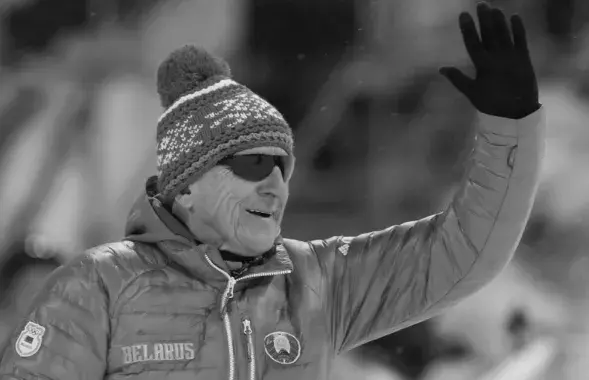
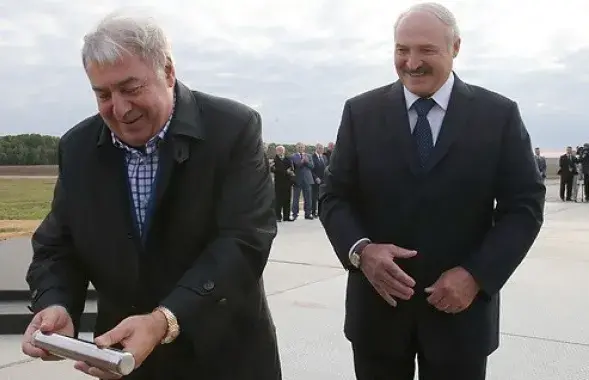
Scientist Boris Kit / Euroradio via Chat GPT
A legend of American astronautics — a Belarusian. Boris Kit was a unique specialist in the field of rocket propellants and aerospace technologies, and this year marks 116 years since his birth.
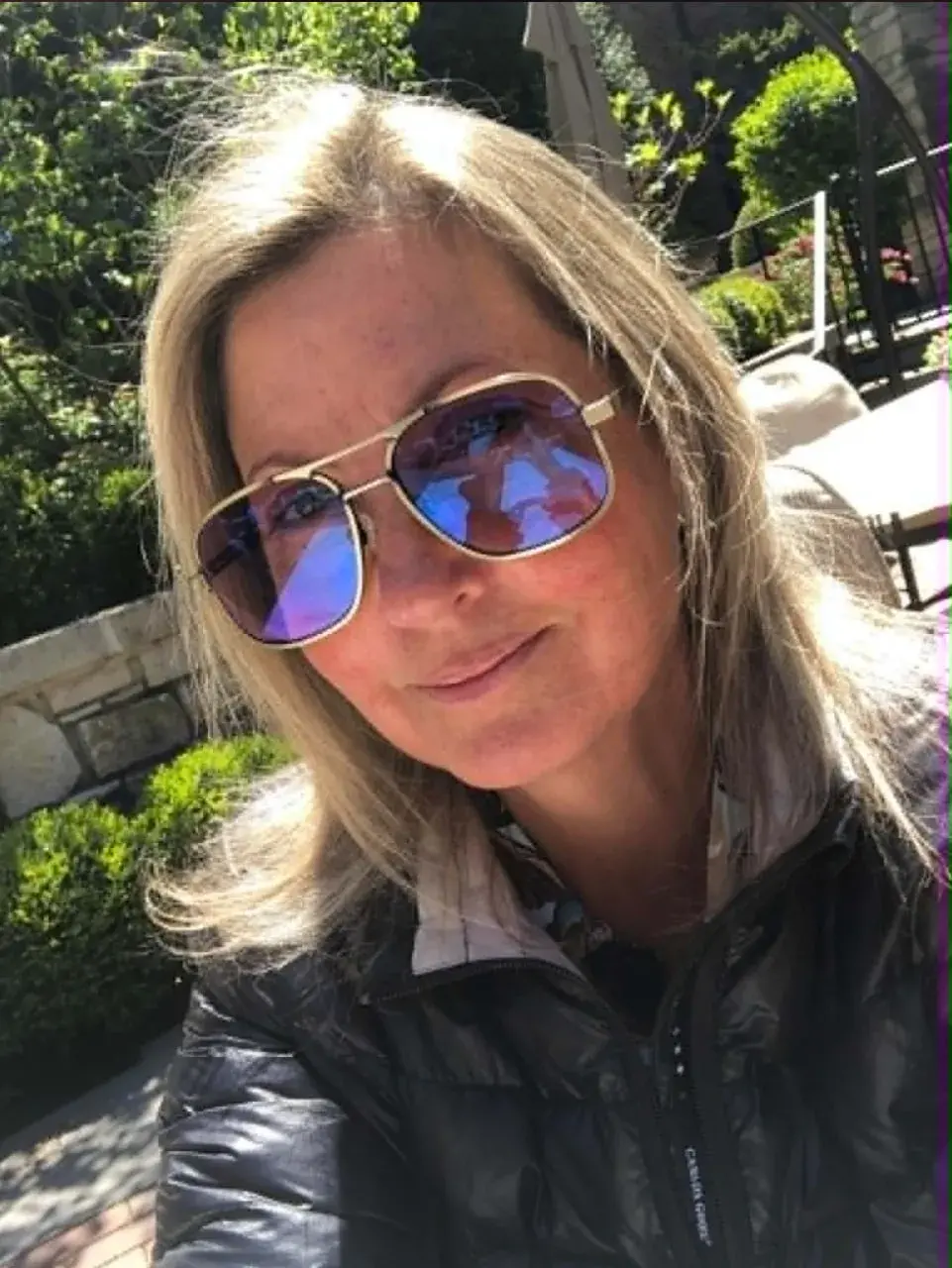
Euroradio found the granddaughter of the famous scientist, Marina Kit (she asked not to use her real surname for privacy reasons), who lives in the state of Florida. She spoke about what Boris Kit was like within the family, in his scientific work, and in life.
— Marina, what kind of person was Boris Kit within the family circle?
— For us, he was first and foremost a loving grandfather. Despite his outstanding scientific career and busy schedule, he always found time for family. Every holiday and birthday was accompanied by his phone call. When I was a child, he would sometimes quietly slip money to me as a gift — that was one of his traditions.
The annual gatherings are especially dear to me. Even at a very advanced age, he continued to come to the United States to spend time with family. He was a kind, attentive man who understood everything.
— How do you remember him in everyday life?
— He was extraordinarily disciplined. Every morning he would put on a suit, tie, and hat regardless of his plans for the day. He always looked neat and composed. At the same time, he had a good sense of humor: for example, he liked to wear a tie clip with the Pizza Hut logo, which brought smiles to those around him.
— How important did Belarus remain to him?
— Belarus held a special place in his heart. At home he spoke Belarusian and throughout his life he supported the idea of a free and independent Belarus. He often spoke warmly about his homeland.
As far as I remember, he was once offered the opportunity to run for a high government position in Belarus, but I don't know any details — only that it was an honor for him. Why it didn't happen, I don't know.
In his youth he witnessed revolutionary events in Saint Petersburg (he was born in 1910 and lived through the period of the revolutions). That experience influenced his views. He valued freedom, personal responsibility, and the right of a person to determine their own life independently.
— What was he particularly proud of?
— Among his achievements, he particularly highlighted his involvement in the development of Minsk University. The memory of his life and work was very important to him: he cherished the bronze monument erected in his honor, as well as the book about his life and scientific activity.
— What did he say about his scientific career?
— He worked at the forefront of space technology development. In 1960, his work on rocket propellants and oxidizers was published, which became an influential reference publication in the field and is still used to this day.
He worked in the aerospace industry in California, and in the 1960s at the United States National Bureau of Standards. He also taught mathematics at the University of Maryland in the Washington area and at its branch in Frankfurt. Students remembered him as a respected teacher.
He was acquainted with Wernher von Braun and worked in an environment of German rocket engineering specialists. The ability to communicate in German facilitated their collaboration. His work contributed to the advancement of research during the Space Race between the United States and the USSR.
— What is known about his life during the war and after it?
— In 1941 he left Germany. He first ended up in Regensburg, and then emigrated to the United States, where he lived and worked in New Jersey and California, continuing his scientific work in the aerospace field.
— Did he have any interests apart from science?
— Yes. During his student years he was a kayaking champion. He also loved to travel, especially to Asian countries. Japan held a special place among them — he was fascinated by Asian culture and traditions.

— What memories are connected with his work in the space field?
— When I was a child, my grandfather would bring me collectible stickers dedicated to NASA space programs — Gemini, Apollo, and other missions. Thanks to this, I grew up in an atmosphere of fascination with space.
He greatly loved the National Air and Space Museum in Washington and visited it shortly after it opened.
— Tell us about his personal life.
— For many years Tamara [Kit, née Kazevich] was by his side — an elegant and intelligent woman. Their relationship was very warm. Despite many years together, he joked that marriage was too serious a commitment. Even at a very advanced age he would say this with a smile.
They lived not far from each other and often spent time together.
— What can you tell us about your family?
— Our family is distinguished by longevity. Boris Kit's father lived to over ninety years of age, and Boris himself lived to 107. He had two sons. My father, sadly, has already passed away, but his brother Victor is still alive.
My father was a tennis player and also worked at NASA. Sport and an active lifestyle have always been an important part of our family.
— What do you consider the most important part of Boris Kit's legacy?
— His legacy is multifaceted: his contribution to the development of rocket propellants and aerospace technologies, his teaching work, his support of the Belarusian language and culture, and also his example of purposefulness.
But for our family, what matters most is something else: he always remained a person who put his loved ones first, despite worldwide recognition. He was devoted to his family, to his scientific work, and to Belarus. That is how we remember him.
Who is Boris Kit
Belarusian mathematician and scientist Boris Kit was born in 1910, grew up in the Novogrudok region, graduated from Vilnius University, and dedicated himself to the development of Belarusian education.
He taught mathematics, headed Belarusian gymnasiums in Vilnius and Novogrudok, and during the years of the Second World War directed a teacher training seminary in Postavy.
After the war, under threat of repression, he was forced to leave Belarus. He first found himself in Germany, and in 1948 emigrated to the United States.
There, Boris Kit worked in the space industry for more than a quarter of a century. He was the author of the first fundamental book on rocket propellants — Rocket Propellant Handbook (1960).
His research laid the foundation for the development of efficient types of rocket propellants used in the American space program, including in preparation for flights to the Moon.
In addition, Boris Kit participated in the development of mathematical models for space missions and intercontinental missiles.
Despite living in emigration, he remained devoted to Belarus until the end of his days. "Everything I have done in life, I have done for my Homeland and its glory," the scientist used to say.
Boris Kit died in 2018 at the age of 107, entering history as one of the most outstanding Belarusians to have contributed to space exploration.